
Greece is inexpensive once you are standing still. The money goes on two things: getting between islands, and entering the major archaeological sites.
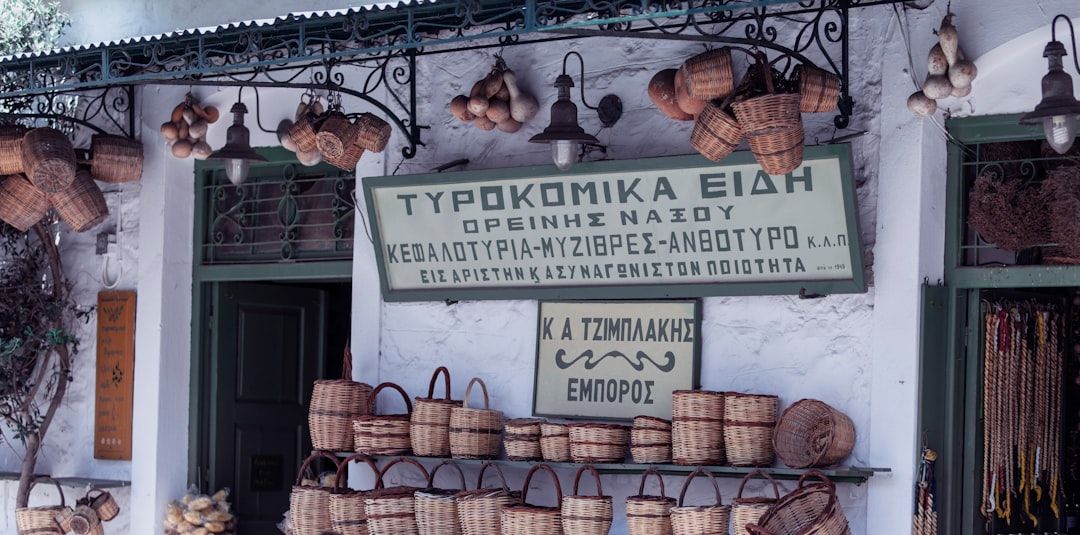
Ferries
| Type | Cyclades hop | Note |
|---|---|---|
| Conventional ferry | €20–45 | Slower, cheaper, more weather-resistant |
| Fast catamaran | €45–90 | Half the time, cancelled more in wind |
| Piraeus–Crete overnight | €35–60 deck | Saves a hotel night |
Deck or economy class is standard and perfectly comfortable in summer. Paying for a numbered seat rarely improves a two-hour crossing.
Book ahead in July and August for vehicles and popular routes. Summer schedules typically appear in late winter, so plans made earlier work from last year's timetable.
The meltemi wind cancels catamarans more readily than conventional ferries. Build a buffer day before a flight home.
The Athens combined ticket
Covers the Acropolis plus the Ancient Agora, Roman Agora, Kerameikos, Hadrian's Library, the Temple of Olympian Zeus and Aristotle's Lyceum.
Valid for several days, and costs little more than two separate admissions. Worth it for anyone visiting more than the Acropolis alone.
Note the Acropolis Museum is a separate ticket and is excellent.
Free days
State-run sites and museums have free admission on certain public holidays and on the first Sunday of the month during the low-season period.
The list is published annually and changes. It includes the Acropolis, which makes it worth checking against your dates.
The cheap islands
The famous ones — Santorini, Mykonos — cost multiples of the rest.
Naxos — large, with mountain villages, the best beaches in the Cyclades, and a real agricultural economy so the food is good and cheap.
Sifnos — a food island, with a serious pottery tradition and walking paths across it.
Amorgos — dramatic, with a monastery built into a cliff.
Ikaria — famous for longevity, entirely uninterested in tourism, with its own approach to time.
The Dodecanese beyond Rhodes — Symi, Patmos, Karpathos.
Accommodation and eating on these run well under half the Santorini rate.
Eating
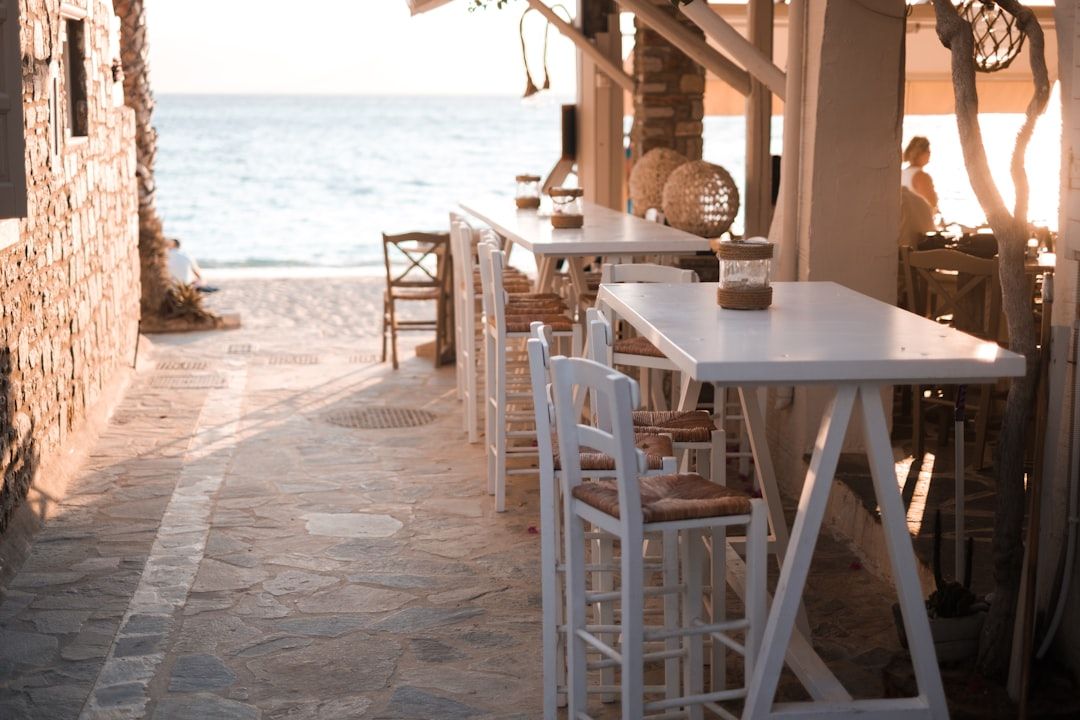
A taverna meal with a carafe of house wine runs €12–20 per person outside the expensive islands.
Order like a Greek: several shared dishes rather than a main each. It costs less and is how the food is designed to be eaten.
Go where the menu has no photographs and where the day's dishes are recited rather than printed.
Souvlaki and gyros from a counter is a €3–5 lunch anywhere in the country.
What costs nothing
Every beach in Greece is public by law. Sunbeds cost money; the sand does not. You can lay a towel anywhere, including in front of a hotel.
The mainland's landscape — the Vikos gorge, the Mani's coast, the Zagori paths.
Monasteries, which are generally free with a dress code, including most of Meteora's individual entry being modest.
The old towns — Nafplio, Monemvasia, Rhodes, Chania.