An Italian trip planned three weeks out is entirely workable, provided you know which handful of things are genuinely gone and stop trying to get them.
Genuinely gone
The Last Supper in Milan. Twenty-five people at a time, fifteen-minute slots, and it books months ahead. Late booking means not going.
The Borghese Gallery, Rome. Compulsory two-hour slots with capped numbers.
The Uffizi and Accademia, Florence, in peak season.
Vatican Museums early access, before general opening.
For these, resellers appear offering availability at a large premium. Sometimes they hold genuine allocations; sometimes they are selling a tour where the ticket is the only real component. Check the official site first.
Usually still available
The Colosseum. Capacity is large and slots release regularly. Check the official site at different times of day — cancellations return to inventory. Early morning and late afternoon slots fill last.
Vatican Museums, standard slots. Available at short notice, and busy.
Pompeii and Herculaneum. Rarely sold out.
Almost every site outside Rome, Florence, Venice and Milan.
The trip that needs no booking at all
This is the useful reframing for a late plan.
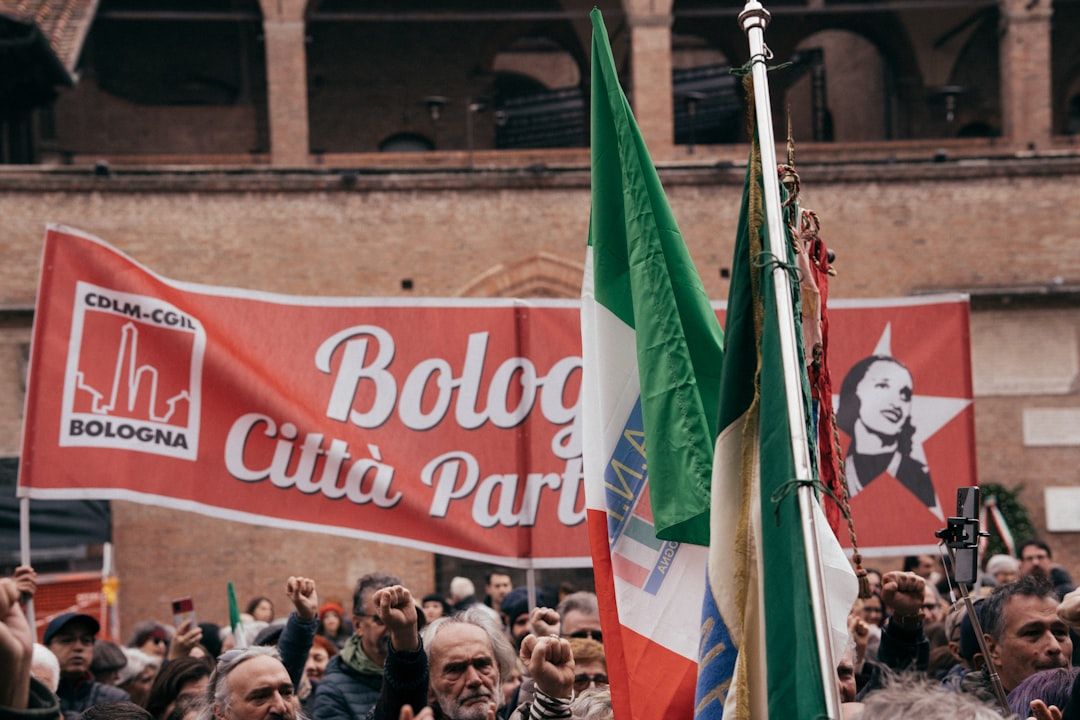
Bologna — the food capital, porticoes for 40 kilometres, and a rail hub with Modena, Parma, Ravenna's mosaics and Ferrara all within an hour.
Naples — the archaeological museum holding Pompeii's finds, the Cappella Sansevero, the underground city, and the best pizza in the world. Plus Pompeii, Herculaneum and the coast.
Puglia — Lecce, the Valle d'Itria, the Salento coast. Nothing there sells out.
Turin — the Egyptian Museum, second only to Cairo, plus baroque arcades and the Alps behind.
Genoa — the largest medieval old town in Europe, and almost no international visitors.
Rome and Florence without tickets
In Rome: the Caravaggio churches — San Luigi dei Francesi, Santa Maria del Popolo, Sant'Agostino — plus San Clemente's three stacked levels, the Pantheon, and Ostia Antica forty minutes away.
In Florence: the Duomo complex, the Bargello sculpture museum which rarely queues, San Marco's Fra Angelico frescoes, and the Brancacci Chapel.
These are not consolation prizes. Several are better than the ticketed alternatives.
The cost of booking late
Trains rise sharply. Rome–Florence booked six weeks out is €20–35; the week before it can be €90.
Flights rise on most European routes.
Accommodation occasionally softens on quiet dates and generally does not.
So a late Italian trip usually costs more in transport and saves nothing on tickets — the opposite of the last-minute assumption.
The one genuine late saving
Going off-season. A trip booked three weeks out for February costs far less than one booked six months out for July, and the art cities are better in winter anyway.