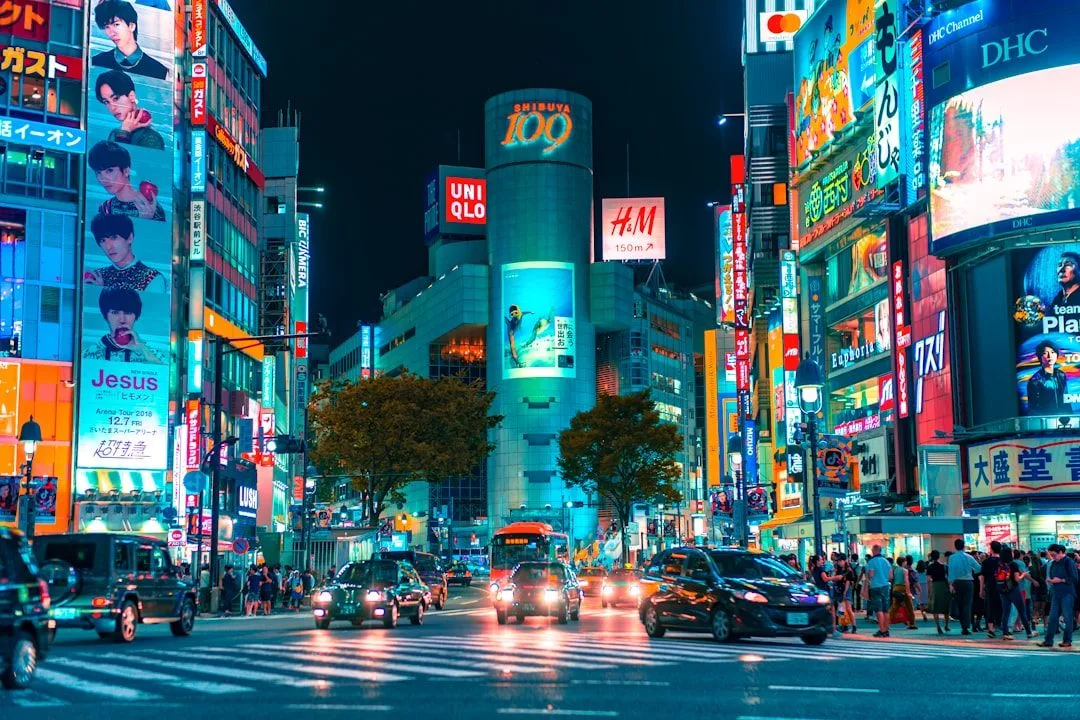
Tokyo has almost no discount culture. Prices are what they are, and the last-minute deal barely exists as a concept. It is also one of the cheapest large cities in the world to spend a day in.
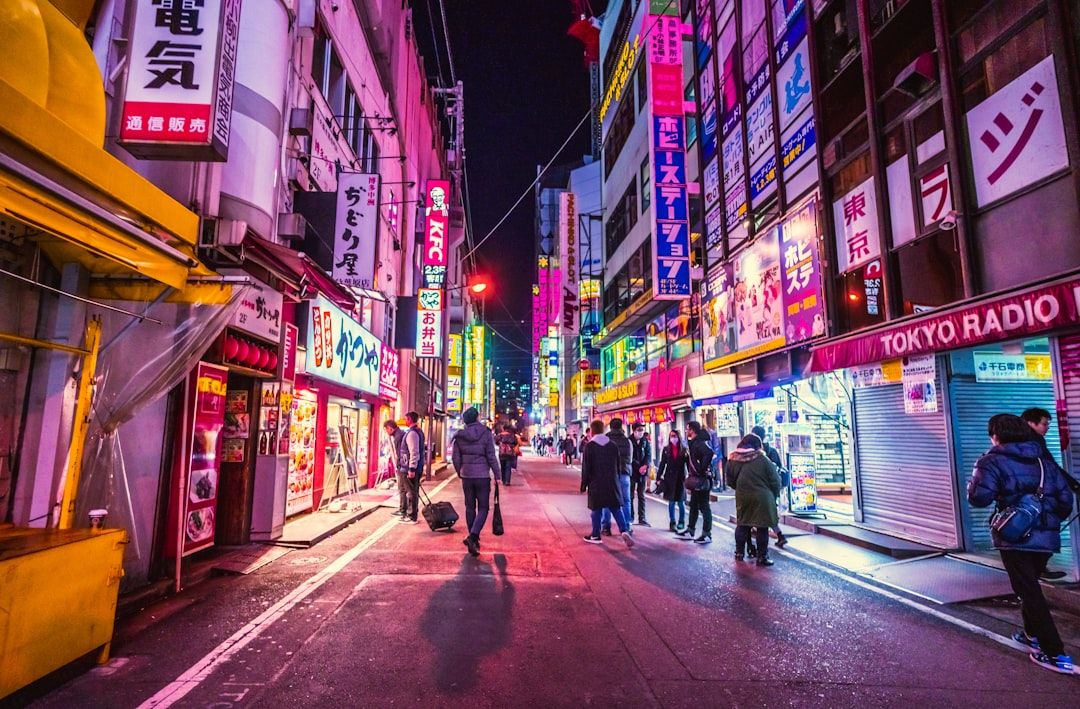
Why nothing discounts
Japanese pricing is stable by convention. Restaurants do not run happy hours in the western sense, attractions do not discount for late booking, and haggling is not part of the culture at any level.
The corollary is that the posted price is the price, for everyone, which removes an entire category of anxiety.
The one genuine exception: department store food halls discount prepared food heavily in the final hour before closing, typically 30–50% off. This is a real and widely used saving.
Eating cheaply
Ticket-machine restaurants. Buy a meal ticket at the door, hand it over, sit down. Ramen, curry, gyudon beef bowls — a few euros for a proper meal.
The machines often have photographs, and increasingly English.
Standing soba bars near stations, for a two-minute lunch at almost nothing.
Convenience stores. In Japan these sell genuinely decent food — onigiri, sandwiches, hot items. Not a compromise.
Izakaya in the evening, ordering progressively. Note the otoshi seating charge with a small appetiser appears on the bill and is a cover charge, not a scam.
Lunch sets at restaurants that are expensive at dinner — the same kitchen at a third of the price.
Free
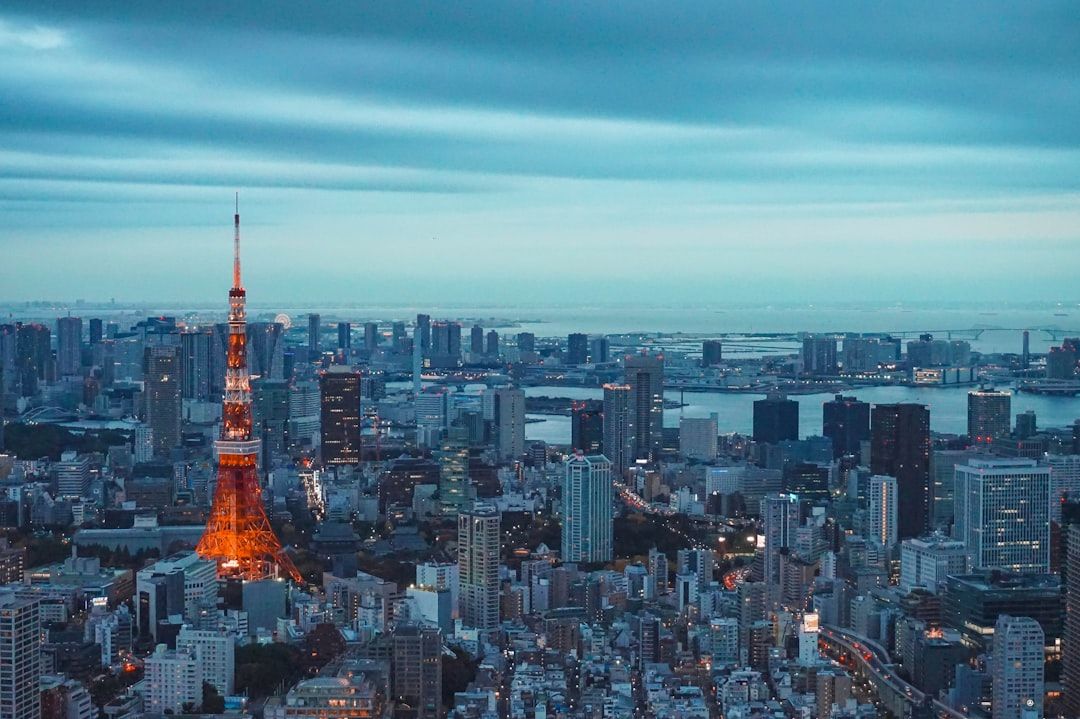
The Tokyo Metropolitan Government Building in Shinjuku — two observation decks at 202 metres, free, with a view comparable to the paid towers. Fuji is visible on clear days, most reliably in winter.
Meiji Shrine and its forest, in the middle of the city.
Senso-ji in Asakusa and the Nakamise approach.
The Imperial Palace East Gardens.
Every neighbourhood — Shibuya, Shimokitazawa, Yanaka's old streets, Koenji, Kagurazaka. Wandering is the activity and it is what Tokyo is for.
Yoyogi Park on a Sunday.
Department store rooftops and the basement food halls, which are free to walk through and are an attraction in themselves.
Transport
Get a Suica or Pasmo IC card at the airport. It covers all local transport and works in convenience stores.
Do not buy a JR Pass for a Tokyo-only trip. It is priced for intercity shinkansen travel and cannot pay off on local journeys. This is one of the most common and expensive planning mistakes visitors make.
Local fares are ¥170–320. A full day of travel rarely exceeds ¥1,000.
Where the money actually goes
| Item | Typical |
|---|---|
| Business hotel, double | ¥9,000–16,000 |
| Capsule hotel | ¥3,500–6,000 |
| Ramen | ¥900–1,300 |
| Izakaya evening | ¥3,000–5,000 |
| Daily transport | ¥700–1,200 |
| Temples and shrines | Free–¥500 |
Accommodation is the cost. Everything else is modest.
What is worth paying for
teamLab, which is genuinely unlike anything else and needs a booked slot.
One food tour, early, for the ordering knowledge you then use all week.
A sumo stable morning practice, if the timing works — stables do not admit the public directly.
Cash still matters at small restaurants and shrines. 7-Eleven ATMs take foreign cards.