A tour price looks like one number and is actually four. Understanding which component a cheap tour has cut is the difference between finding value and buying a worse product.
The four components
1. The guide. A licensed guide in western Europe costs €200–350 for a day. Divided by group size.
2. Transport. A coach, a minibus, or nothing if the tour walks.
3. Entry fees. Frequently excluded, and this is where most price confusion lives.
4. Margin and commission. The operator's profit plus the booking platform's cut, which commonly runs 20–30%.
The entry-fee trap
Two Vatican tours: one at €45, one at €65.
The €45 one excludes the €26 museum entry. Total: €71.
The €65 one includes it. Total: €65.
The cheaper-looking one costs more. This pattern repeats across every major European site with a significant entry fee — the Alhambra, the Sagrada Família, Versailles, the Colosseum.
Read what the price covers before comparing two numbers. It is the single most useful habit in booking tours.
Why group size explains most of the price gap
| Group size | Guide cost per person |
|---|---|
| 40 | ~€6 |
| 20 | ~€13 |
| 8 | ~€31 |
| 4 | ~€63 |
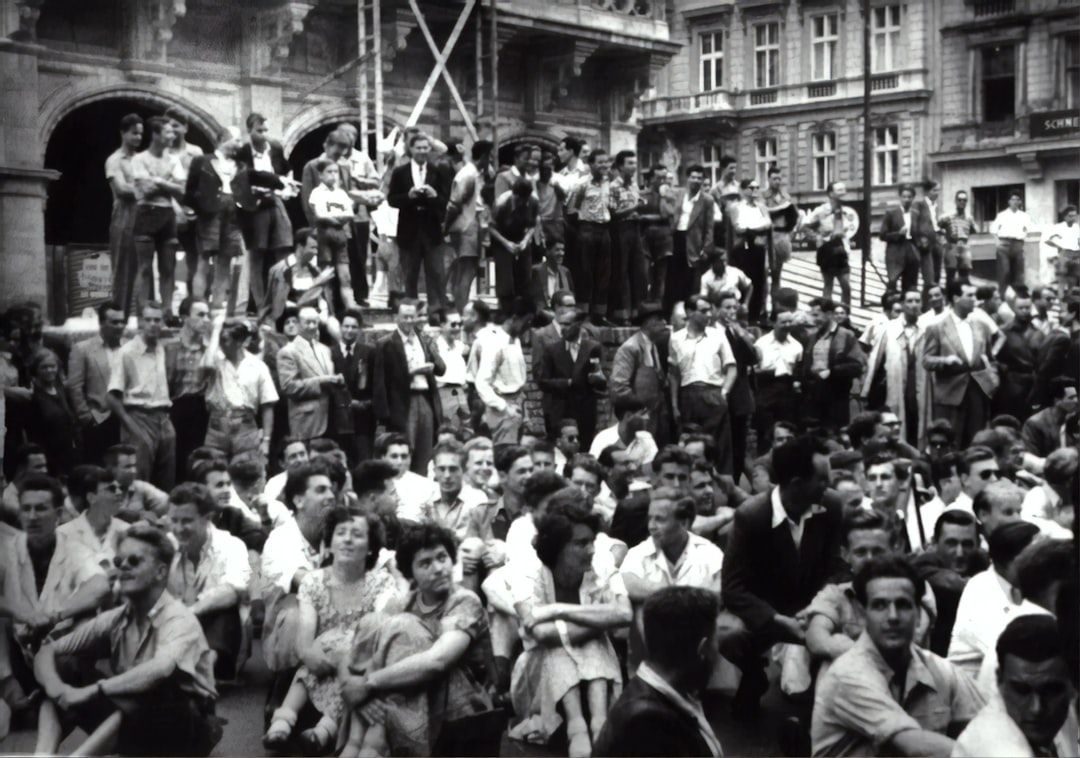
That is the entire mathematics of small-group pricing. It also buys something real: a group of 40 cannot enter a small workshop, a family winery or a narrow site, so large tours go to places built to absorb them.
The commission layer
Booking platforms take 20–30%. The operator running the tour receives the rest.
Which means booking direct with the local operator is frequently cheaper for the identical tour, and some operators offer an explicit discount for it.
Finding them is usually a matter of searching the tour name and the city. The platform is useful for discovery and for its reviews; the operator's own site is often better for the transaction.

What genuine value looks like
Free walking tours, which are tip-based. The guides are often excellent because their income depends directly on it. Budget €10–15 per person; paying nothing is the exception the model does not survive.
Municipal and museum-run tours, which have no commercial margin. Frequently the best-informed and half the price.
Off-season, when the same tour runs at 30–50% less for the same guide.
Combined city cards, when you will use three or more of the included sites — and a loss if you use two.
What a cheap tour usually cut
Group size, first. Then entry fees. Then the guide's qualification — an unlicensed guide costs less and in some cities cannot legally enter certain sites.
Then the itinerary: shorter, fewer stops, or ending at a shop with a commission arrangement.
None of these are scams. They are trade-offs, and the price is honest about them if you read it.