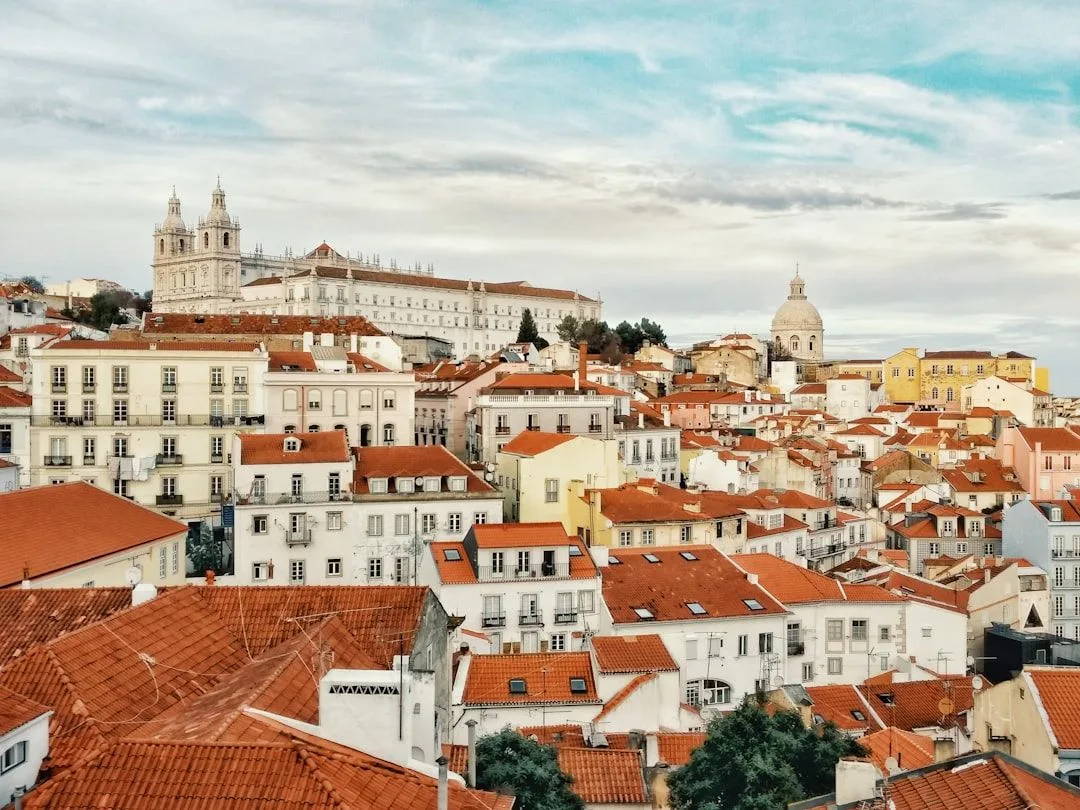
Lisbon's best experiences are free or cost the price of a transport ticket. It is one of the few western European capitals where a genuinely cheap trip is also a complete one.
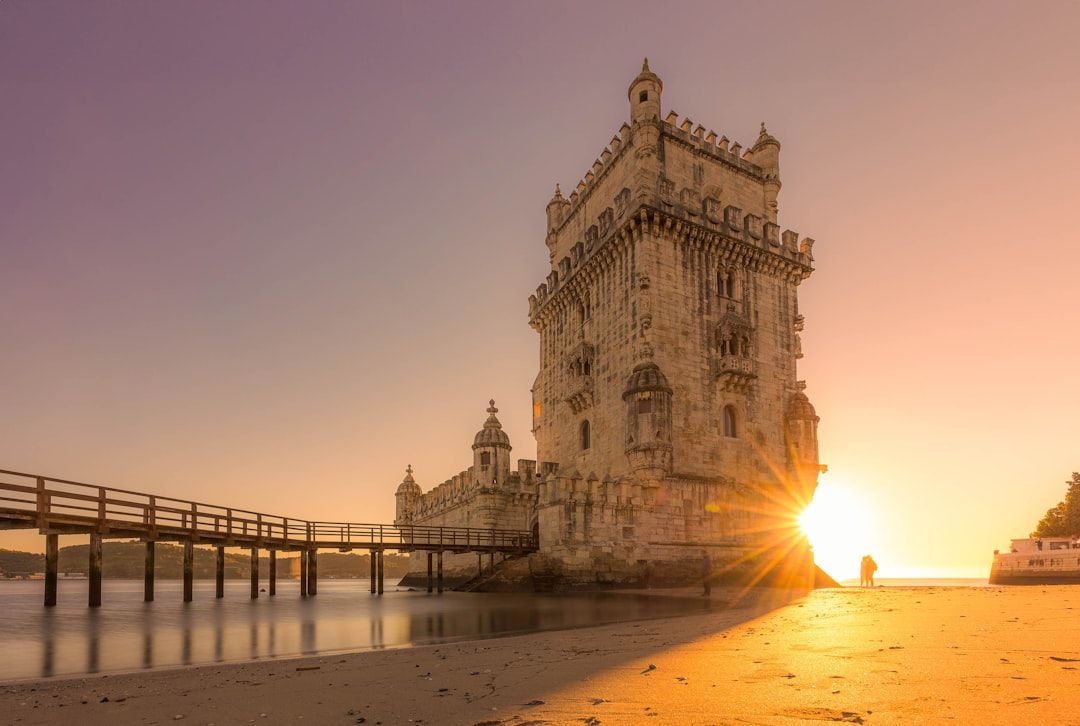
The miradouros
The hilltop viewpoints, scattered across the city, and the best thing in Lisbon.
Each faces a different way, so the hour matters more than any ranking:
Senhora do Monte and Graça — sunset, the highest views.
Santa Luzia and Portas do Sol — morning, over Alfama and the river.
São Pedro de Alcântara — evening, over the Baixa toward the castle.
Santa Catarina — the young crowd and the river.
All free. Several have a kiosk selling beer for €2.
The trams
Not the 28. It is packed to the point of discomfort and is the city's principal pickpocketing location.
Tram 12 covers similar ground around Graça and Alfama with a fraction of the crowd. Tram 24 runs a different and attractive route. Tram 15 to Belém is modern and has space.
The funiculars — Glória, Bica, Lavra — and the Elevador de Santa Justa are public transport covered by a transport card, not attractions with separate tickets.
A Viva Viagem card loaded for the day covers all of it.
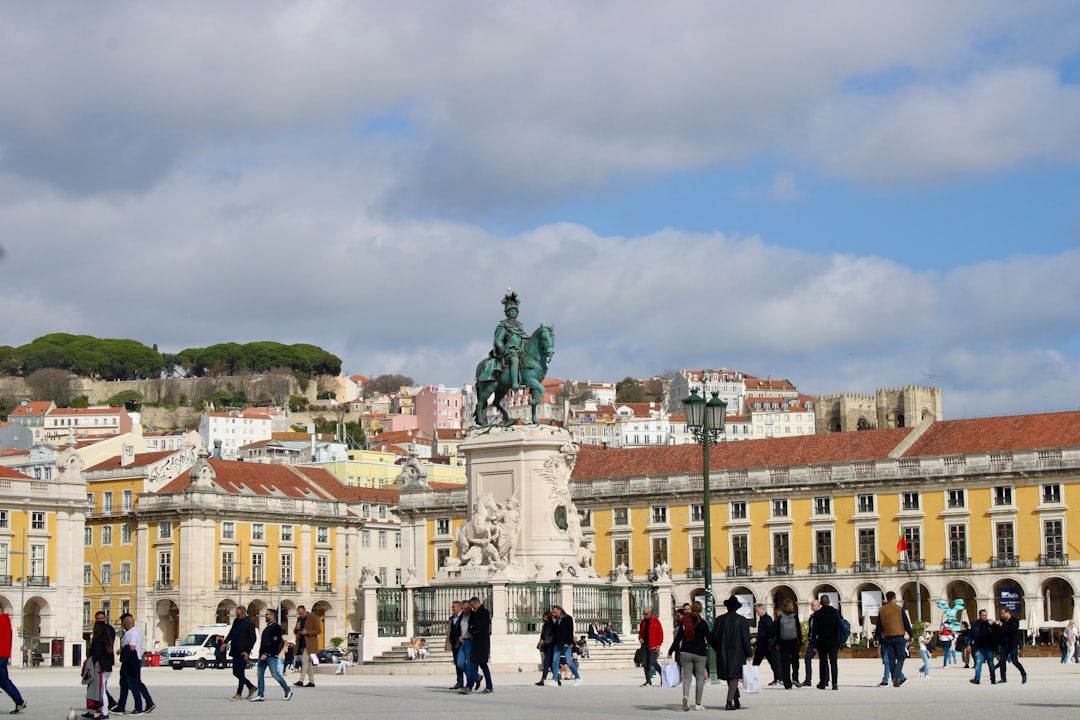
Free walking
Alfama — the pre-earthquake quarter, a maze, and the one part of Lisbon that survived 1755.
Graça and Mouraria, above it, where people actually live.
The Baixa grid, rebuilt after the earthquake to an early seismic-resistant design.
The riverside from Cais do Sodré to Belém, walkable or cyclable.
LX Factory, a converted industrial complex under the bridge.
Cheap eating
A tasca — a small neighbourhood restaurant — serves a full lunch with wine for €8–12.
The prato do dia, the day's dish, is the cheapest and usually the best thing on the board.
Grilled sardines or bacalhau in a working district costs a fraction of the same dish in Baixa.
Bifana — a pork sandwich — from a counter is a €3 lunch.
The couvert, brought unasked, is charged if you eat it and typically adds €3–8. Refusing it or sending it back is completely normal.
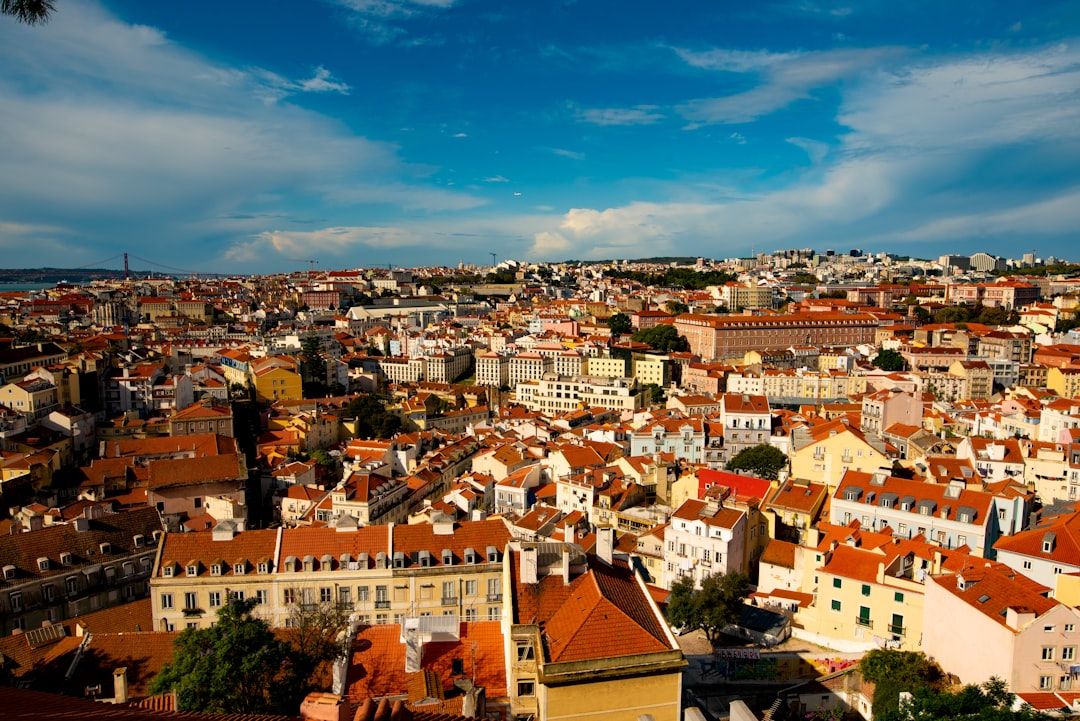
Worth paying for
The National Tile Museum. Modest entry, and it is the museum that explains the city — including a 23-metre panel showing Lisbon's waterfront before the earthquake.
The Gulbenkian. The best collection in Portugal, in its own gardens, and consistently the thing visitors are most surprised by.
Jerónimos Monastery in Belém, ticketed, with queues — go at opening.
Several museums have free Sunday morning windows, with terms that change. Worth checking current policy.
Sintra, cheaply
The train from Rossio is a few euros. The palaces are ticketed and busy.
The Moorish castle walls cost less than Pena and have the better view. The town and the woods are free.
Go early, buy timed tickets in advance, and pick two sites rather than four.
What to skip
Tuk-tuks. Priced for visitors, and the trams and funiculars do the same job for a fraction.
Fado dinner shows in Baixa. Small Alfama houses charge a fraction with better singing — ask where locals go, and expect a minimum spend rather than a ticket.